
Usage & Range
Which battery should I choose — 48V 28Ah or 48V 50Ah?
Step 1: Choose the battery model
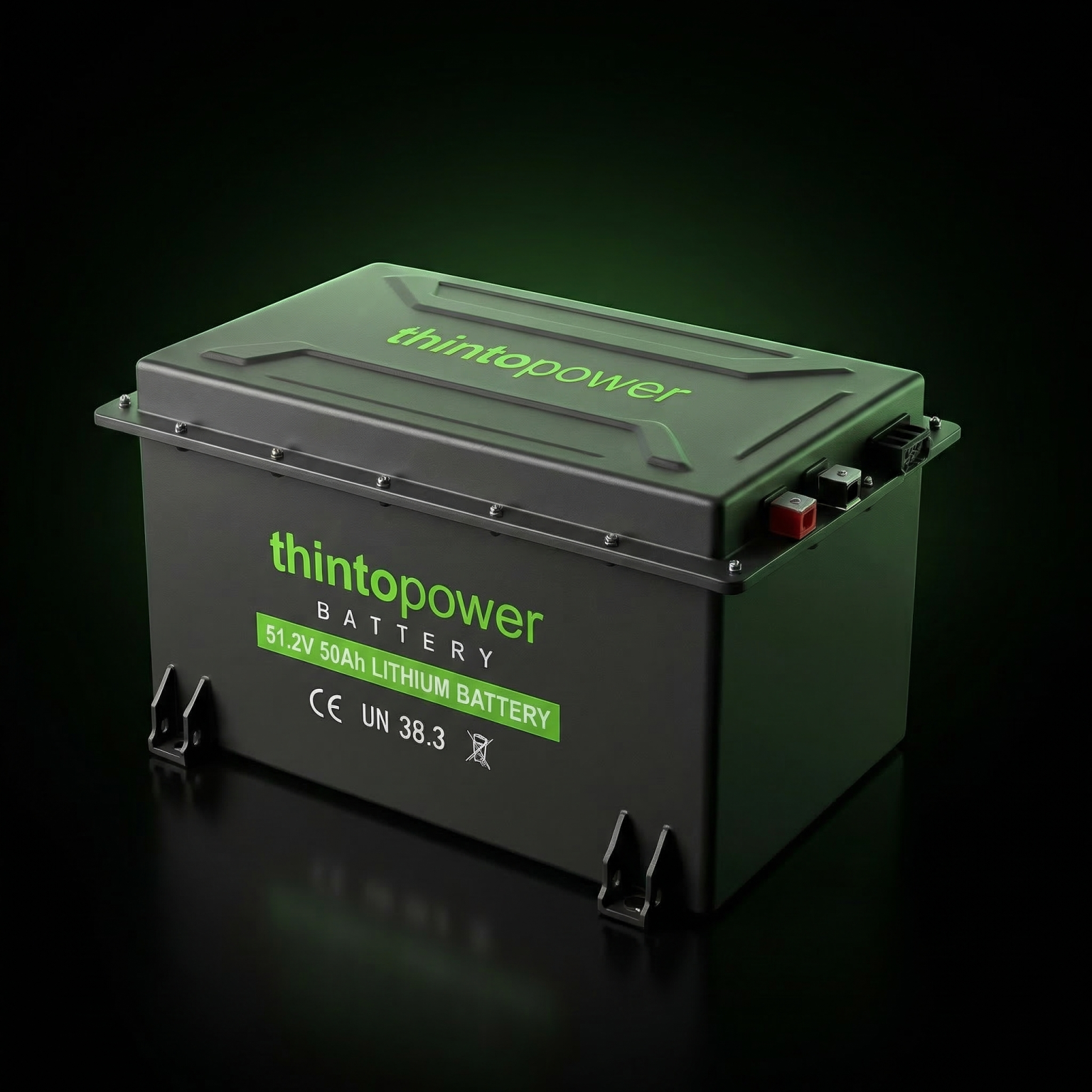
48V 28Ah is a lower entry option for lighter daily use. 48V 50Ah gives you higher capacity and stronger performance from each battery.
Step 2: Choose how many batteries you need
Our batteries support parallel connection, so adding more batteries increases total capacity, extends range, and supports more frequent or demanding use.
In simple terms, 28Ah vs 50Ah determines the capacity of each battery, while the number of batteries determines your total range and usage level.
How many batteries do I need?
The final setup depends on whether you choose 28Ah or 50Ah, how many batteries you connect in parallel, and your terrain, load, and driving habits.
How far can I drive?
Range depends on the battery model, the number of batteries connected in parallel, terrain, load, and driving style.
As a general reference, a single 48V 28Ah battery delivers around 15–25 km, while a single 48V 50Ah battery delivers around 18–30 km.
Adding more batteries in parallel increases your total capacity and extends your range accordingly.
Performance
What makes your battery different from other brands?
Our batteries deliver more usable power and capacity in the same size.
The cells support up to 6C discharge, while many competing products are around 2C. This means stronger acceleration, better hill climbing, and more stable output under load.
Most batteries on the market in this size range are around 25Ah to 30Ah. We offer up to 50Ah in the same footprint, so you get more energy without taking more space.
Even a single battery can support high-speed driving, and if one battery in a parallel setup stops working, the remaining batteries can still support operation, including hill climbing.
Will it feel more powerful than lead-acid batteries?
Yes. You will notice stronger acceleration, more stable power output, and better performance on hills.
Unlike lead-acid batteries, lithium maintains a more consistent voltage during discharge, so the cart feels more responsive instead of getting weaker as the battery drains.
Can it handle hills and heavy loads?
Yes. With higher discharge capability, the battery delivers stable power even under load, making it suitable for slopes, frequent stop-and-go driving, and heavier daily use.
Installation & Maintenance
Will this battery fit my golf cart?
Yes. Our batteries are designed to match standard lead-acid battery sizes used in most golf carts, so you can replace your existing batteries without modifying the battery compartment.
Is installation difficult?
No. The system is designed for plug-and-play installation. You simply replace your existing batteries and connect them.
The parallel setup is straightforward and designed for easy expansion if you want to add more capacity later.
How long does it take to charge?
Charging time depends on the charger, but a full charge typically takes 4–6 hours.
Can I use my existing charger?
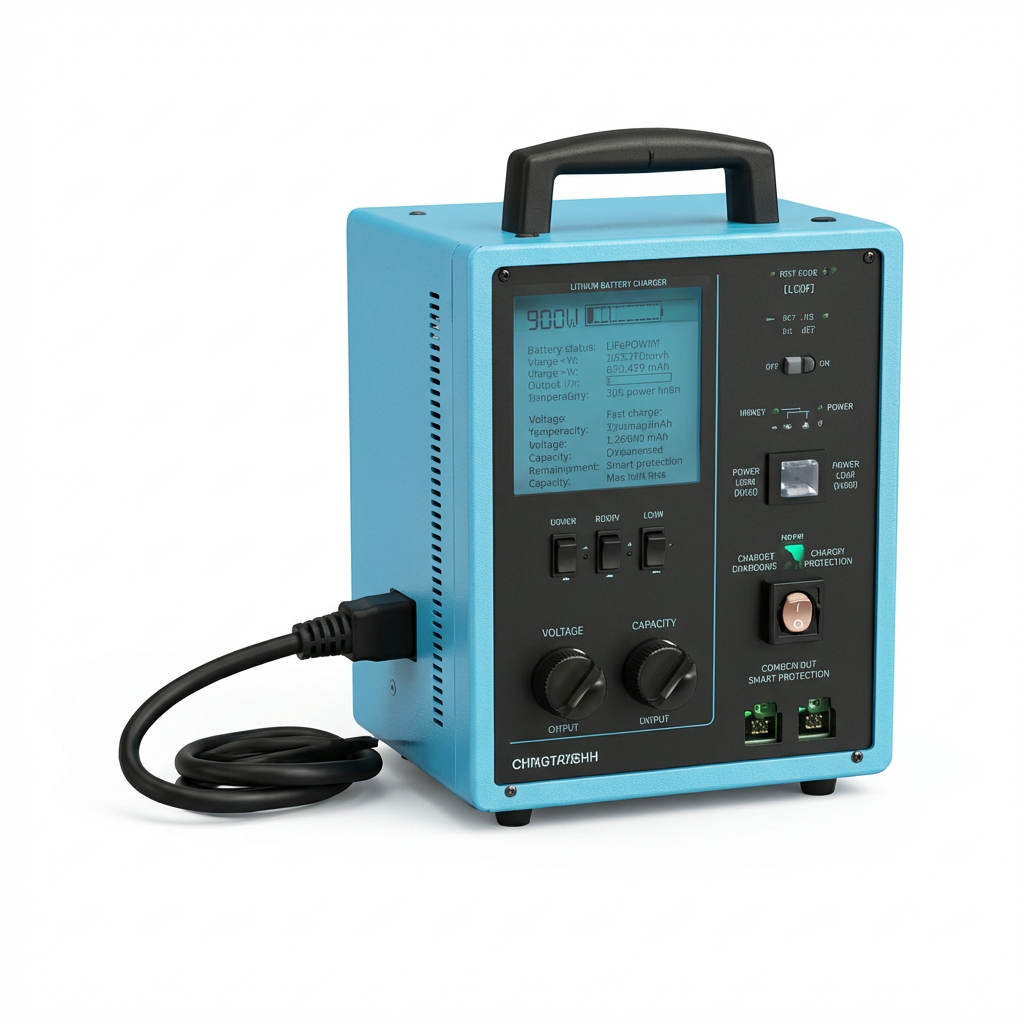
In most cases, a lithium-compatible charger is recommended for optimal performance and battery life.
If you are unsure, we can help you confirm compatibility.
Do I need to maintain the battery?
No. The battery is completely maintenance-free.
There is no water refilling, no corrosion, no terminal cleaning, and no performance loss caused by poor maintenance.
Safety & Reliability
Is it safe?
Yes. The battery uses LiFePO4 chemistry, which is known for stability and safety, and includes built-in protection systems for safe daily operation.
What happens if one battery fails?
The system is designed to continue operating.
If one battery in a parallel setup stops working, the remaining batteries can still support driving, including basic hill climbing.